Enhance Your Smile with Trusted Dental Care
Composite Bonding in Lindenhurst, IL: Simple, Honest Smile Repair
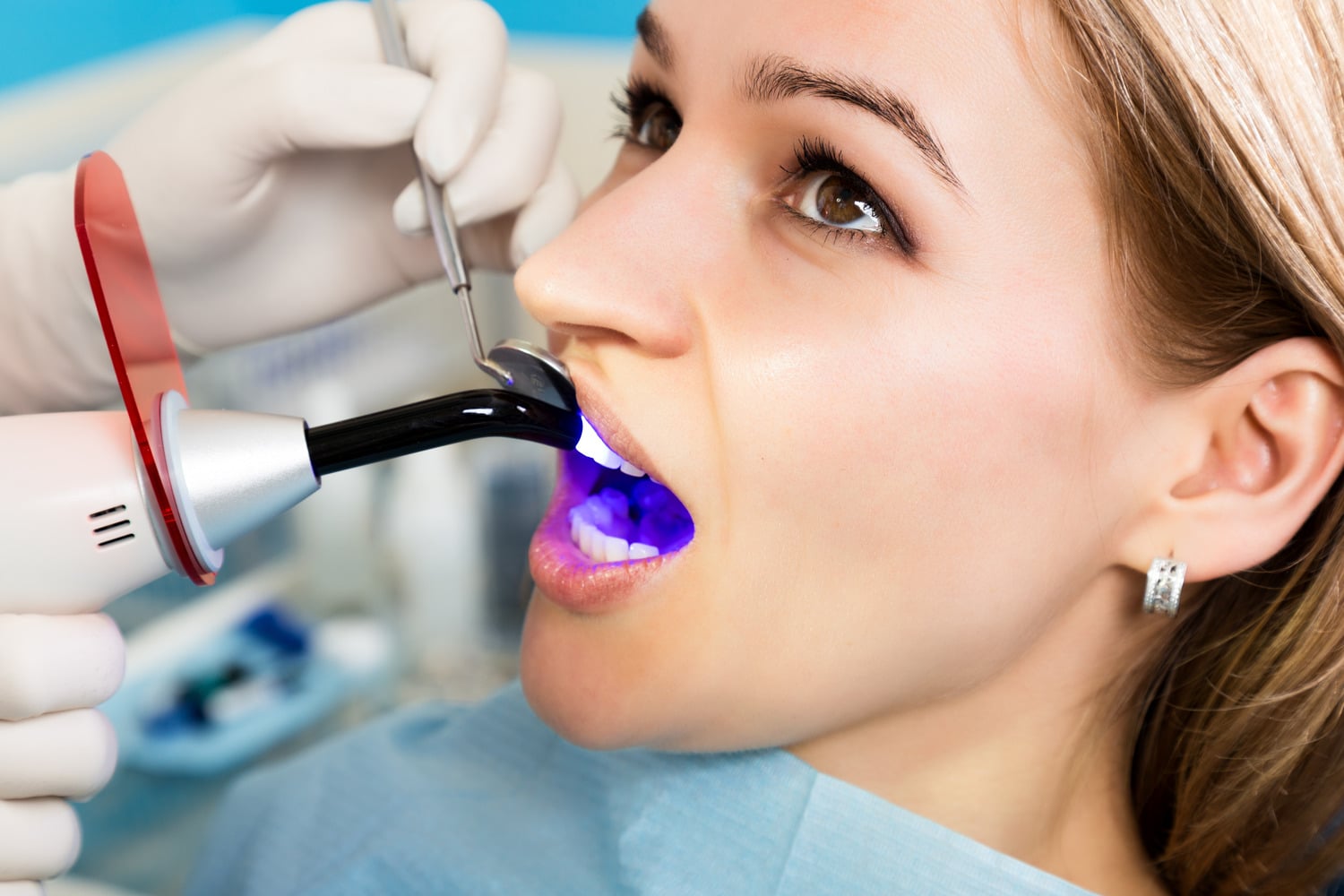
Clarity Dental Group offers composite bonding Lindenhurst, IL patients rely on for chipped, cracked, gapped, or discolored teeth that need a quick, affordable fix. If you searched tooth bonding near me hoping for a straight answer instead of a sales pitch, you’re in the right place. Dr. Peter Chung believes a small cosmetic problem deserves a small, honest solution rather than an oversized treatment plan, so every visit starts with a clear look at your smile and a plan you actually understand.
What Is Composite Bonding?
Composite bonding is a cosmetic treatment where Dr. Chung applies a tooth-colored composite resin directly onto your tooth, then shapes, hardens, and polishes it until it blends in with the teeth around it. Unlike veneers or crowns, bonding typically doesn’t require removing any of your natural tooth structure, which is part of why it’s one of the most conservative repairs we offer. If you’re curious about how the resin actually adheres to a tooth’s surface, the process is quick, well studied, and reversible if your needs ever change.
What Dental Problems Can Tooth-Colored Bonding Fix?
Tooth-colored bonding fixes small, specific problems rather than the whole smile at once. It’s a good match for:
- Chipped or cracked teeth from an accident or a hard bite
- Small gaps between two front teeth
- Teeth that are slightly discolored or uneven in shade
- Short, worn, or oddly shaped teeth
- Minor damage that’s cosmetic rather than structural
For chipped tooth repair after a fall or a sports injury, bonding is usually the fastest way back to a normal-looking smile, often in the same visit you come in.
How Long Does Dental Bonding Last?
Dental bonding on front teeth typically lasts four to eight years, and sometimes up to ten, depending on where the bonding sits, your bite, and your daily habits. Grinding, nail biting, and chewing on hard objects like ice or pens will wear it down faster, while a normal daily routine and regular checkups let it hold up on the longer end of that range. Bonding on back teeth, where chewing forces are heavier, tends to wear a little sooner than bonding on the front of your smile, which is one more reason Dr. Chung talks through placement and expectations with you before treatment rather than after.
Does Cosmetic Bonding Hurt?
No. Cosmetic bonding is one of the least invasive procedures we perform, and most patients don’t need any anesthetic at all. Because the resin bonds to the outer surface of your tooth rather than requiring the drilling or shaping a crown or veneer would need, the appointment itself is quick and comfortable from start to finish. The only exception is when bonding is being used to fill in an area near a cavity or a deeper crack, in which case Dr. Chung will offer a local numbing option so you’re comfortable throughout. Most patients describe the whole visit as easier than a routine cleaning.
How Much Does Composite Resin Bonding Cost?
Composite resin bonding is one of the more affordable cosmetic treatments we offer, and the exact cost depends on how many teeth need work and how much reshaping each one requires. As part of our commitment to affordable cosmetic dentistry here in town, Dr. Chung walks you through the full price before any work begins, and our team is happy to go over insurance coverage and financing options at the same visit so there are no surprises on your bill. Because bonding uses less material and chair time than a crown or a veneer, it’s typically the least expensive way to fix a chip, gap, or stain, which is exactly why so many patients start here before considering anything more involved.
How Is Bonding Different From Porcelain Veneers?
Bonding and veneers both improve the look of a tooth, but they work differently:
- Bonding: composite resin applied directly to the tooth, usually reversible, completed in a single visit, more budget-friendly
- Veneers: thin porcelain shells bonded to the front of the tooth, require minor enamel removal, last longer, better for covering several teeth at once
If you’re weighing a full smile makeover against a smaller fix, our cosmetic dentistry services page walks through both options, and Dr. Chung will tell you honestly which one actually fits your tooth and your budget.
How Long Does the Bonding Procedure Take?
Most bonding appointments take thirty to sixty minutes per tooth, and the entire visit is usually finished in a single trip to our office. There’s no lab work and no waiting on a second appointment, so you leave the same day with your tooth already repaired. If you’re addressing more than one tooth, Dr. Chung will let you know upfront whether that’s realistic in a single visit or better split across two shorter appointments, so your schedule never gets thrown off by a surprise.
How Do I Care for Bonded Teeth?
Bonded teeth need the same basic care as your natural teeth, with a little extra attention to staining and pressure:
- Brush twice daily and floss once a day
- Avoid biting fingernails, pens, ice, or other hard objects
- Cut back on coffee, tea, red wine, and other staining foods and drinks for the first few days
- Keep up with routine cleanings so we can check the bonding at each visit
Can Composite Bonding Be Repaired or Redone?
Yes. If bonding chips, stains, or simply wears down over time, Dr. Chung can touch it up or replace it without starting over from scratch. That’s one of the real advantages of bonding over more permanent options: it can be adjusted as your smile changes instead of locking you into one result. Most touch-ups are quick, since Dr. Chung only needs to reshape or replace the small section that’s affected rather than redo the whole tooth, which keeps follow-up visits short and inexpensive.
Is Composite Bonding Right for Me?
Composite bonding is a good fit if you have one or two specific spots you’d like to improve rather than a full smile overhaul. Dr. Peter Chung sees patients of every age at Clarity Dental Group, from kids who chipped a tooth on the playground to adults who’ve lived with a gap or discoloration for years, and the best way to know if bonding is right for your situation is a quick, no-pressure consultation. Bonding isn’t the answer for every situation. If a tooth has significant decay, a large fracture, or needs more structural support, Dr. Chung will tell you plainly and point you toward a crown, filling, or another option that will actually hold up, rather than fitting your problem to the treatment he’d rather sell.
Why Choose Clarity Dental Group for Composite Bonding
Patients keep coming back to Clarity Dental Group because we treat composite bonding, and every other visit, the same way: honestly.
- No upselling or pressure to add treatments you don’t need
- Clear, upfront pricing explained before any work begins
- A warm, relaxed office with natural light and a lake view
- Same-day and emergency appointments when a chip or crack can’t wait
- Dr. Chung’s conservative approach, so you only get the treatment your tooth actually needs
We’ve built our reputation as a family dentist that patients throughout the area recommend to friends and relatives, and our full range of dental services means the same honest approach carries over to whatever else your family needs.
Ready for a Simple, Honest Smile Fix? Book With Clarity Dental Group
If a chipped, gapped, or discolored tooth has been bothering you, Clarity Dental Group in Lindenhurst, IL is ready to help with a plan that’s honest from the very first visit. Schedule your consultation with Dr. Chung today, and get a straightforward answer and a smile you’re proud of, without the pressure.